Buying a Rental Property vs. a Personal Home: Features to Look For
Buying a rental property requires a different mindset than shopping for your next home. When choosing a personal residence, you can focus on the features, finishes, and layout that best fit your tastes and lifestyle. A rental property, however, should appeal to a broad range of tenants while remaining durable, practical, and cost-effective to maintain.
That does not mean a rental should feel cheap or uninviting. The goal is to find a property that looks attractive, functions well, and can withstand heavier use without creating unnecessary work or expense for the owner.
Here are some of the most important features to evaluate.
Choose a Location Tenants Will Value
When buying a personal home, location is often about your commute, preferred schools, favorite activities, and proximity to friends or family.
For a rental property, consider what the likely tenant will need. Depending on the market, this may include convenient access to:
-
Employment centers
-
Schools and universities
-
Public transportation
-
Shopping and restaurants
-
Parks and recreation
-
Medical facilities
-
Major roads and highways
Before purchasing, research comparable rents, vacancy rates, neighborhood trends, and the type of tenant the property is likely to attract. A neighborhood you would personally enjoy is not automatically a strong rental market—and the reverse may also be true.
Favor a Practical, Versatile Layout
Your personal home can be tailored to your specific needs. You might want a formal dining room, oversized primary suite, workshop, elaborate kitchen, or dedicated home office.
A successful rental generally benefits from a more conventional layout with broad appeal. Look for clearly defined bedrooms, useful storage, convenient laundry access, functional living areas, and enough bathrooms for the home’s size.
Unusual layouts can be interesting, but they may reduce the number of tenants who find the home practical.
Keep Finishes Simple
Ornate finishes can look impressive but may be difficult to clean, repair, or match later. For a rental, simple finishes are usually the better choice.
Straight rectangular baseboards and door trim, for example, are easier to maintain than intricate profiles with numerous grooves and decorative details. If part of the trim becomes damaged, a common style is also more likely to be available locally.
Simple does not have to mean unattractive. Clean lines and coordinated finishes can give a rental a polished appearance without adding unnecessary maintenance.
Select Durable, Replaceable Hardware
Drawer pulls, cabinet knobs, door handles, hinges, and similar hardware receive frequent use. Choose hardware that is:
-
Durable enough to perform well over time
-
Attractive without being overly trendy
-
Easy to clean
-
Reasonably inexpensive to replace
-
Readily available from local or national retailers
Specialty hardware may become difficult to match if one piece breaks. Using common sizes and finishes makes future repairs much easier.
Expect More Wear on Flooring
Rental flooring generally experiences more drops, scuffs, spills, furniture moves, and other everyday wear than flooring in an owner-occupied home. Select materials with resilience, water resistance, repairability, and replacement cost in mind.
Tile and brick can be durable, but hard impacts may crack or chip them. Replacing a damaged section can also be difficult when the original product is no longer available.
Luxury vinyl flooring—often called LVP or LVF—and similar resilient materials can be practical rental choices. These products are comparatively forgiving, water-resistant, widely available, and often less costly to repair or replace than tile or hardwood. Whatever material you choose, consider keeping extra unopened flooring from the original installation for future repairs.
Use Carpet Selectively
Carpet can make bedrooms feel warm and comfortable, but it is vulnerable to stains, odors, pet damage, and accelerated wear. It often needs replacement more frequently than resilient or hardwood flooring.
As a basic rule of thumb, less carpeting generally means less turnover work. Durable hard-surface flooring in living rooms, hallways, dining areas, and other high-traffic spaces can simplify cleaning and extend the useful life of the floor. Carpet can then be limited to bedrooms or other areas where it offers the most benefit.
Some landlords ask tenants to use rugs or runners in high-traffic areas. Before adding a floor-covering requirement to a lease, confirm that it is reasonable, clearly written, and consistent with local laws, insurance requirements, accessibility needs, and safety considerations. Rugs should never create a trip hazard.
Keep in mind that a material’s actual service life, accounting treatment, and tax depreciation period are not necessarily the same. Consult a qualified tax professional about the treatment of flooring and other rental-property improvements.
Look for Durable Countertops
Rental countertops should resist stains, moisture, scratches, and everyday heat exposure while remaining easy to clean. No countertop is completely damage-proof, so tenants should still use cutting boards and trivets.
Good options may include:
-
Quartz: Nonporous, stain-resistant, and easy to maintain. It offers an upscale appearance, although excessive heat can damage the resin, and repairs may be difficult.
-
Granite: Durable and heat-resistant when properly installed. Periodic sealing may be needed to help prevent staining.
-
Solid-surface material: Nonporous and repairable in many situations. It can scratch and is less heat-resistant than stone, but minor damage can often be refinished.
-
Quality laminate: Affordable, readily available, and inexpensive to replace. It can be a sensible choice for budget-conscious rentals, although heat, moisture at the seams, and sharp objects can damage it.
Materials that may require more caution include marble, butcher block, tile countertops, and concrete. Marble can stain and etch; butcher block requires ongoing care and is susceptible to water damage; tile has grout that can stain and become difficult to clean; and concrete may crack or require sealing.
The right selection depends on the property’s price point and expected rent. A luxury surface may not provide a worthwhile return in a modest rental, while an inexpensive material may feel out of place in a premium property.
Choose Standard, Easily Replaced Appliances
A rental is rarely the ideal place for unusual dimensions, specialty brands, or highly customized built-in appliances. Standard-sized appliances from established brands are generally easier to service and replace quickly.
Favor models that are:
-
Available from major retailers
-
Supported by local repair companies
-
Simple for tenants to operate
-
Energy- and water-efficient
-
Free of unnecessary specialty features
-
Sized to fit standard openings
Pay particular attention to appliances with water connections, such as dishwashers, refrigerators with ice makers, and washing machines. A failed hose, valve, seal, or supply line can cause significant water damage.
Use quality connections and accessible shutoff valves, and inspect them regularly. Leak detectors or automatic shutoff devices may provide additional protection. Avoid adding a water-connected feature solely for novelty if it does not meaningfully improve the rental’s appeal.
Evaluate the Exterior for Longevity
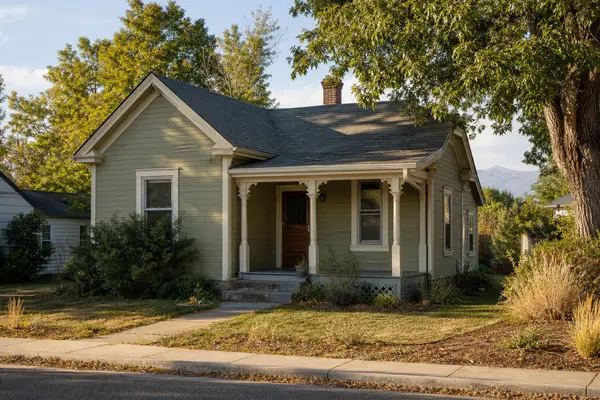
The flashiest exterior may also be the most difficult and expensive to maintain. Intricate trim, numerous painted surfaces, complicated rooflines, and elaborate architectural details can all create additional upkeep.
Because the rental owner is generally responsible for exterior maintenance, look for a basic, well-maintained exterior with durable siding, sound drainage, properly installed flashing, and accessible components.
Preventive maintenance remains essential. Regular inspections, caulking, paint touch-ups, gutter cleaning, and early attention to water intrusion can prevent small exterior problems from becoming expensive structural repairs.
Simplify the Landscaping
A lush landscape with numerous plant varieties may be beautiful, but it can also require extensive watering, pruning, fertilizing, cleanup, and specialized care.
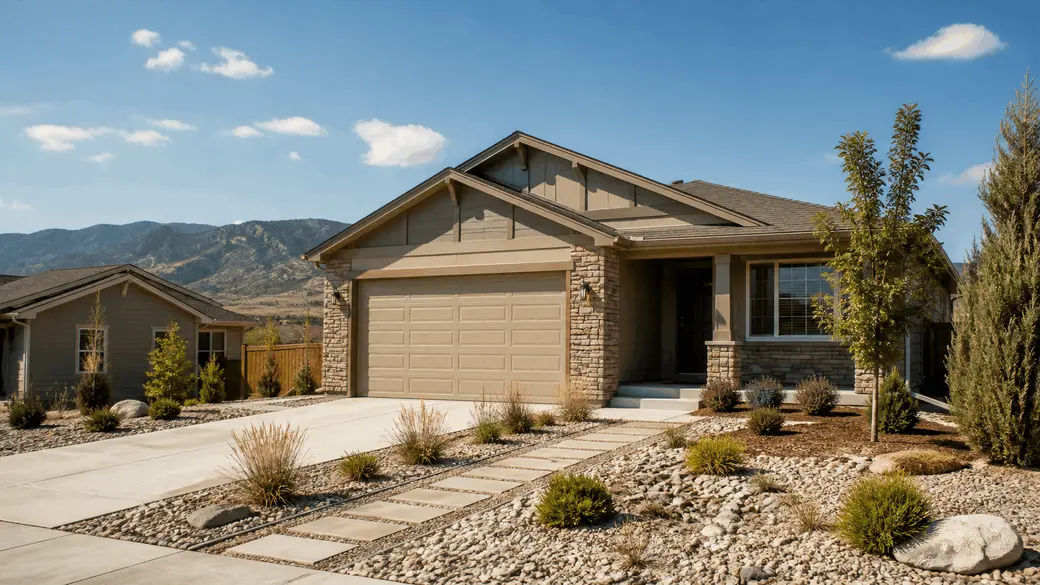
Xeriscaping or a simple lawn layout is usually more manageable for a rental. Attractive combinations of regionally appropriate plants, river rock, gravel, mulch, and pavers can provide visual interest while reducing routine maintenance.
Low-maintenance does not mean no maintenance. Landscape designs should still account for weeds, drainage, erosion, snow removal, fire safety, and any municipal or homeowners association requirements. Avoid placing rock or mulch where it could interfere with drainage or damage the building.
Think Carefully About Sprinkler Systems
Automatic sprinkler systems can help maintain a lawn, but they also introduce valves, timers, underground lines, sprinkler heads, and seasonal maintenance. Broken heads, leaks, freezing, incorrect programming, and unnoticed failures can result in costly repairs or water bills.
Do not assume a tenant will recognize, diagnose, and maintain these systems the way an attentive homeowner might. If a property has irrigation, decide whether it is truly necessary and establish who will inspect, operate, winterize, and repair it.
In some situations, simplifying or properly decommissioning the system may reduce future maintenance. Before disconnecting an existing system, confirm local landscaping rules, drought requirements, homeowners association standards, and the needs of any remaining plants.
Consider Energy Efficiency and Utilities
Efficient insulation, heating and cooling equipment, windows, lighting, and plumbing fixtures can improve comfort and reduce operating costs. These features are valuable whether utilities are paid by the tenant or included in the rent.
During the inspection, pay attention to the age and condition of major systems—not simply whether they currently work. An older furnace, air conditioner, water heater, or roof can materially affect the property’s future cash flow.
Evaluate Safety, Security, and Code Compliance
Every property should have secure doors and windows, adequate lighting, safe stairs and railings, and properly installed smoke and carbon monoxide alarms where required.
For a rental, also consider how easily these features can be inspected, tested, and maintained. Confirm that the property complies—or can cost-effectively be brought into compliance—with applicable building, occupancy, licensing, and rental-housing requirements.
Let the Numbers Guide the Decision
It is reasonable to pay extra for a feature you love in your own home, even when that feature will not increase its resale value. A rental property requires a more objective calculation.
Account for more than the mortgage payment. Your analysis should include:
-
Property taxes and insurance
-
Maintenance and repairs
-
Capital replacements
-
Property management
-
Utilities paid by the owner
-
Landscaping and exterior care
-
Homeowners association fees
-
Licensing or inspection costs
-
Expected vacancy
-
Tenant turnover expenses
An attractive house is not necessarily a good rental investment. The income must support realistic expenses, including the less frequent but inevitable major repairs.
The Bottom Line
When buying your own home, it makes sense to prioritize personal taste, comfort, and lifestyle. When buying a rental property, the priorities shift toward tenant demand, broad appeal, durability, safety, and manageable operating costs.
Look for a property with a practical layout, resilient flooring, simple finishes, standard appliances, durable countertops, and a straightforward exterior. Favor components that are easy to clean, service, repair, and replace.
The best rental property is not necessarily the most elaborate home on the market. It is the one that offers tenants a comfortable, attractive place to live while giving the owner a durable and financially sustainable investment.
Ready to Find the Right Rental Property?
Purchasing an investment property requires a different perspective—and guidance from someone who understands the process firsthand. As an investment-property owner myself, I bring personal experience to every step, from identifying durable, tenant-friendly features to evaluating a property’s long-term potential.
Helping investors start or grow their real estate portfolios is one of my specialties. Whether you are considering your first rental or searching for the next addition to an established portfolio, I can help you make a confident, informed decision.
Let’s talk about your investment goals and find the right property for your portfolio.
Categories
Recent Posts